
How to Dust Feeder Insects the Right Way: A Step-by-Step Guide for Reptile Owners
Why Reptiles Need Dusting Supplements
Reptiles in captivity often don’t get all the nutrients they would in the wild. Feeder insects like crickets, dubia roaches, and mealworms provide protein but are naturally low in calcium and certain vitamins. Without supplementation, reptiles risk calcium deficiency, which can lead to metabolic bone disease (MBD) — a serious condition that weakens bones and shortens lifespan.
Dusting feeder insects with calcium and vitamins ensures your reptile gets a balanced diet that supports growth, bone strength, and overall health.
Calcium vs. Vitamin Powders: What’s the Difference?
- Calcium Powder – Builds strong bones, prevents MBD, and is essential for egg-laying females.
- Vitamin Powders – Provide additional nutrients like Vitamin D3, A, and E that support immune function and energy.
- With or Without D3 – Indoor reptiles (no access to UVB lighting) need calcium with D3. Outdoor reptiles with UVB exposure can use calcium without D3.
Pro Tip: Always alternate between calcium and multivitamin supplements as recommended for your reptile species. Over-supplementing can be just as harmful as under-supplementing.
Step-by-Step Guide: How to Dust Feeder Insects Correctly
- Choose the Right Supplement
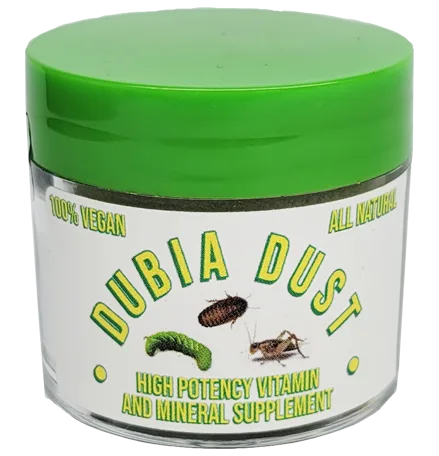
Pick a high-quality dusting powder designed for reptiles. Look for natural, plant-based blends like Dubia Dust, made from nutrient-rich microgreens. - Prepare a Dusting Container
Use a small cup, plastic bag, or deli cup with a lid. This keeps the insects inside while you shake. - Add the Powder
Scoop a light coating of supplement into the container. A pinch or ¼ teaspoon is usually enough for a feeding. - Add Feeder Insects
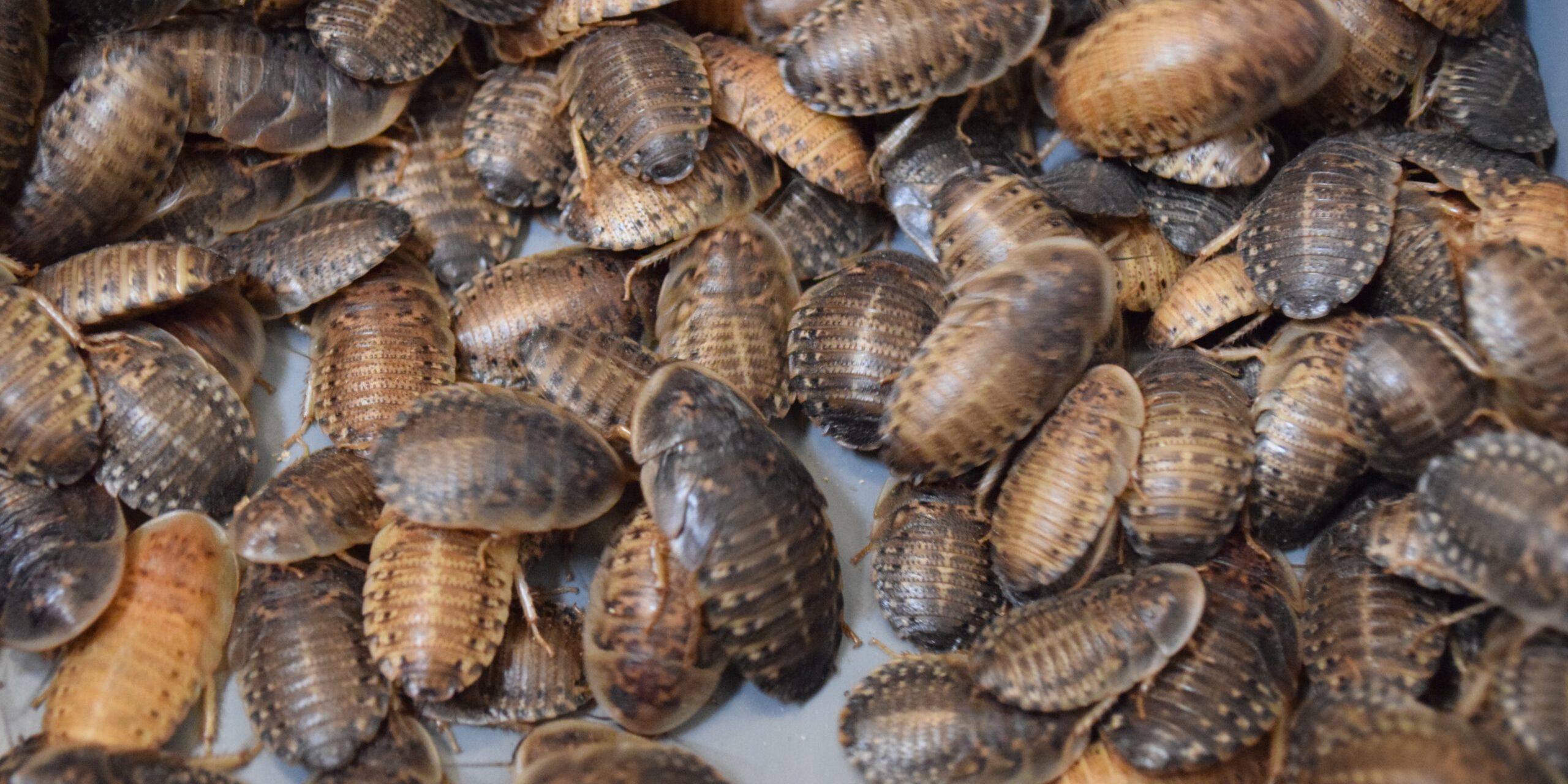
Place your crickets, dubia roaches, or mealworms inside. Aim for just enough insects for one feeding session. - Shake Gently
Close the lid and shake lightly until the insects are evenly coated in the powder. They should look slightly white or “frosted.” - Feed Immediately
Offer the dusted insects to your reptile right away. If you wait too long, the powder can rub off.
Common Mistakes to Avoid When Dusting Insects
- ❌ Using too much powder – Over-dusting can lead to messy enclosures and wasted supplements.
- ❌ Not dusting often enough – Infrequent supplementation leaves your reptile nutrient-deficient.
- ❌ Skipping variety – Reptiles need both calcium and vitamins, not just one.
- ❌ Waiting too long to feed – Supplements lose effectiveness if insects groom themselves before being eaten.
Why Dubia Dust Makes a Difference
Unlike traditional reptile calcium powders, Dubia Dust is made from microgreens, a superfood packed with natural vitamins, minerals, and phytonutrients. This means your reptile gets:
- 🌱 More bioavailable nutrition than synthetic powders
- 🦎 Improved digestion and gut health
- 💪 Enhanced bone strength and immune support
Owners who switch to Dubia Dust often notice their reptiles have brighter colors, more energy, and healthier appetites.
👉 Try Dubia Dust today and give your reptiles the nutrition they deserve.
FAQ: Dusting Feeder Insects
Q: How often should I dust feeder insects?
A: Most reptiles should have their insects dusted 3–4 times per week. Juveniles may need daily dusting for proper growth.
Q: Can I dust mealworms and dubia roaches too?
A: Yes — all feeder insects benefit from dusting, not just crickets.
Q: Do I still need supplements if I gut-load my feeders?
A: Yes. Gut-loading improves nutrition, but dusting ensures your reptile gets consistent calcium and vitamin intake.