
Owning lizards is a real joy. With personality in spades, particularly as they become more familiar with humans, the unique look and habits of pets like bearded dragons, geckos, iguanas, skinks, and chameleons are making them more popular all the time. For the happiest and healthiest pets, you’ll need to learn about the best feeder insects for reptiles.
While beardies and other popular lizards will eat almost any insect, some species stand out more than others.
Explore the best feeder insects for reptiles and learn how you can give even better nutrition with a simple technique that goes far beyond traditional gut loading methods.
The Best Feeder Insects for Bearded Dragons and Other Lizards Kept at Home
To determine the best feeder insects for bearded dragons and other reptiles, we need to consider dietary needs first. Lizards require a balance of hydration, protein, and fat. They also need vitamins and minerals to stay healthy from hatchling to adulthood.
- Hydration is key, with water supporting every cell in a lizard’s body. Clean water should be available at all times. Some of the best feeder insects for bearded dragons and other reptiles are rich in moisture, which helps to supplement any drinking water.
- Protein is the most essential macronutrient and lizards need more protein than fat. There’s no golden ratio, but the general rule of thumb is that the best insects to feed bearded dragons are those that are higher in protein and lower in fat.
- Fat is still important. It provides energy for your lizards. Bugs with lower fat content are better for reptiles, but you can feed some fatty insects occasionally as treats.
- Calcium is the most important mineral that lizards need. It supports bone health at all stages of development. The best feeder insects for bearded dragons are high in calcium.
- Common vitamins and minerals like potassium, Vitamin B groups, Vitamin C, and Vitamin E are also essential to reptile health.
Many of these components can be found in the best feeder insects for reptiles, but calcium and vitamin groups are often difficult to source. Many owners turn to gut loading, a technique that involves feeding insects the nutrients that lizards need to ingest. When the lizard eats the insect, it takes in those same nutrients in small quantities.
You can consider some of the most popular insects and begin to incorporate them into your lizard’s diet.

The Best Feeder Roaches are Dubia Roaches
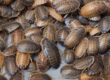
Roaches are incredibly popular and one of the best feeder insects for reptiles. The Dubia roach is the best species of all. Each roach contains a relatively high level of calcium, phosphorus, and protein. With a water composition of almost 60%, Dubias are the best feeder roaches for reptiles that don’t drink enough water.
These roaches contain around 21% protein and under 8% fat, making them the best feeder roaches for regular feeding without the risk of a lizard becoming overweight or storing too much fat around the neck, sides, back, and tail.
Black Soldier Fly Larvae are Among the Best Feeder Insects for Crested Geckos
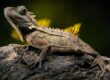
Crested geckos grow to a size of around 4.5 inches from snout to vent, or up to 8 inches if measuring the entire reptile including the tail. As a smaller species of lizards, crested geckos are best suited to smaller insects. It’s a general rule that you should never offer an insect that’s wider than the reptile’s head. You should also avoid offering large insects with a high chitin component to small lizards, especially hatchlings and juvenile pets.
Black soldier fly larvae are one of the best feeder insects for crested geckos. The larvae have a low chitin component (around 4.76%) so they are well tolerated even by immature digestive systems. The larvae contain around 17% protein and 21% fat, so they’re not exceptionally well balanced, but they can be enjoyed in moderate quantities. The relatively high-fat content makes them extra tasty so you’ll have no trouble getting your crested geckos to eat them.
The biggest advantage of black soldier fly larvae, and the reason they’re the best feeder insects for crested geckos, is the high calcium content. The larvae have more calcium than any other common feeder insect, eliminating the need to supplement with a specific calcium formulation when gut loading.
The Best Bugs To Feed Bearded Dragons – Meeting The Nutritional Requirements of a Larger Lizard
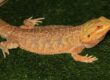
Bearded dragons look fantastic and they have personalities that range from aloof to playful, depending on how well accustomed they are to their owners. Once a bond is formed, there’s no better lizard to own. Because bearded dragons grow to be quite large, they require substantial feeder insects.
The best bugs to feed bearded dragons contain calcium for bone health, they’re high in protein and low in fat.
Examples of the best bugs to feed bearded dragons include:
- Live crickets: 17% protein and 6% fat with high water content.
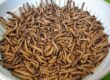
- Hornworms: 8.3% protein and 3.13% fat with high water content.
- Silkworms: 13% protein and 8% fat with high water content.
- Dubia Roaches: 21% protein and 8% fat with moderate water content.
All of these bugs contain calcium, with Dubia roaches having more than the rest.
What are the Best Insects to Feed Baby Bearded Dragons?
Baby and juvenile bearded dragons should eat insects with a low chitin component while their digestive systems are still developing. Black soldier fly larvae are one of the best insects to feed baby bearded dragons. Tobacco hornworms are also a good choice thanks to the low-fat content and low chitin component.
Generally, aim for softer bugs to get the best insects to feed baby bearded dragons. As your beardie grows, you can start to introduce larger worms and crawling or hopping bugs with harder shells.
What are the Most Popular Feeder insects for Lizards?
We’ve covered some of the best feeder insects for bearded dragons and other lizards. The most popular insects aren’t always the healthiest, but they can add diversity to the diet to keep your pets content.
- Mealworms and Giant Mealworms are good all-around feeder insects.
- Crickets are low in fat, making them excellent feeders.
- Cockroaches including Dubia roaches are great sources of protein and calcium.
- Superworms are relatively high in fat and can be used as special treats.
- WaxWorms are higher in fat than protein and can be fed to lizards occasionally.
- Silkworms are mostly water with low-fat content, making them a go-to healthy treat.
- Black Soldier Fly Larvae are excellent low-fat all-rounders for any lizard.
- Dubia Roaches are suitable for frequent use in a lizard’s diet.
Diversity is key to a happy and healthy lizard. Offer a range of different insects throughout each week and keep fresh vegetation available.
Should You Gut Load Your Insects?
Gut loading is a common practice to improve the nutritional profile of feeder insects for lizards. Simply feed nutritious fruits, vegetables, and grains to insects, and they’ll transfer the nutrients to your lizards once they are consumed.
The process of gut loading isn’t exactly a science so results can be mixed. While gut loading is generally considered beneficial, you don’t need to spend a lot of time sweating the details or getting the perfect balance of food. Instead, you can use a supplement at feeding time, which is more effective and far more convenient.
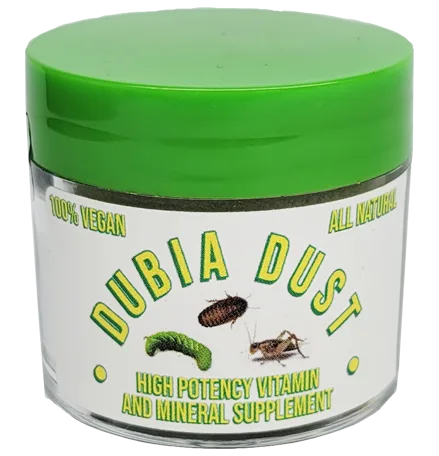
Dubia Dust is the Best Nutritional Supplement for the Best Feeder Insects
100% natural, made from organic microgreens, and rich in nutrients, Dubia Dust is an innovative reptile nutrition product.
Microgreens are harvested and dehydrated using a slow and low-heat process, which preserves their nutrients. Vegetable microgreens are up to 40 times more potent than adult vegetables, with far higher concentrations of calcium, vitamin C, vitamin E, phosphorus, and other trace vitamins and minerals. Without the need to painstakingly gut load your insects, you can simply feed them a fresh diet, and then sprinkle the insects with Dubia Dust before feeding your lizards.
Lizards enjoy the insects while also getting a super dose of vitamins, minerals, and plant protein at the same time. There’s no fuss, with all of the benefits and vitality that nutrient-dense microgreens can provide. Dubia Dust is 100% vegan so it’s safe for any reptile.
If you’re going to give your lizards the best feeder insects, you need the best supplement to go with them. Dubia Dust is exactly that.