
From hatchling to adulthood, nutrition is the key to health and happiness for any lizard. From baby geckos and skinks to bearded dragons and iguanas, Superworm Feeders are a popular food choice with high nutritional value and versatility.
Superworms are rich in moisture for hydration while offering an excellent combination of protein and fat to make them tasty treats for your lizards. Learn about the composition of feeding superworms, when to use them, and discover how dusting with a 100% natural supplement can provide benefits beyond traditional gut loading.
What Do You Get When You Order Superworms for Lizards?
Superworms look remarkably similar to giant mealworms, but they’re actually a completely different species. Known as Zophobas Morio or sometimes simply as kingworms, superworms are much larger than mealworms and have a darker color.
Just like mealworms, when you order superworms you get a tasty treat that’s high in fat content. While perfect for feeding two to three times every week, you should restrict superworms as a primary food source as they can cause lizards to become overweight.
Superworms also have less calcium than mealworms so they aren’t as nutritious. This can be addressed by gut loading superworms, but this in itself isn’t enough to give your lizard the calcium it needs. For comparison, a Dubia Roach has three times the bioavailable calcium as a superworm.
If you choose to order superworms to add more variety into the diet of your lizard, think of this as an occasional treat. You’ll get much better nutrition from Dubia roaches as a primary live food source.

It’s Easy to Feed Superworms to Baby Bearded Dragons and Other Lizards
Despite not being the most nutritionally viable live feeders, superworm feeders for baby bearded dragons and other lizards are easy to use. This is because reptiles love them! The movement and size of superworms are eye-catching, and the worms emit a smell that attracts reptiles. If you’re having difficulty getting your lizard to eat other insects, you could try using superworms for baby bearded dragons and other lizards to supplement their diet. You’ll be hard-pressed to find a lizard that doesn’t quickly snap up a superworm that has been left in its enclosure.
Gut Loading Superworm Feeders for Added Nutrition
Gut loading superworm feeders is a popular method of adding nutrition to a lizard’s diet. By introducing a variety of fresh vegetables and sometimes fruit into the diet of worms, you’ll transfer that nutrition to your lizard. Because reptiles are notoriously picky when it comes to certain types of vegetation, gut loading is a more effective way to add vitamins and minerals without training your lizard to enjoy fresh vegetables.
The nutritional components of the average live superworm are as follows:
- Up to 68% water composition.
- Up to 22% protein.
- Up to 17% fat.
When considering dry weight, superworms are notably rich in protein and fat, which is why it’s important to use them only as occasional treats. A superworm feeders can be up to 54% fat on a dry matter basis, which quickly adds up if you’re feeding superworms for baby bearded dragons more than two or three times every week.
Gut loading superworms is easy because they aren’t particularly picky about what they eat. Vegetables, dry grains and cereals, and even crushed supplements like calcium and vitamins will be consumed by superworms.
Dubia Dust is More Effective Than Gut Loading Superworms
People often do (and should) gut load their superworms. It’s a simple way to improve the nutrition that gets into pets. Superworms need to eat to grow, so it only makes sense that you give them nutritious food.
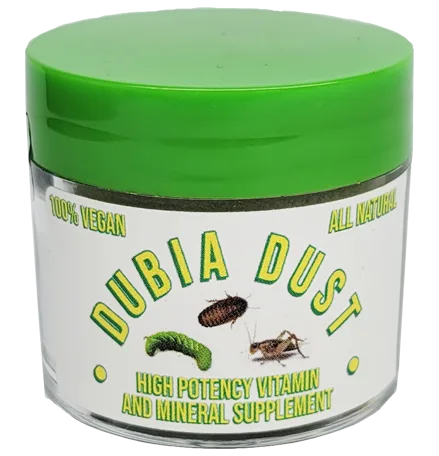
However, to give an even better vitamin and mineral boost to your lizards, you can use Dubia Dust to coat superworms during feeding. Dubia Dust is a 100% natural product made from low-heat dehydrated microgreens that are completely vegan and free of contaminants. Dubia Dust is rich in calcium and is derived from cruciferous microgreens that have vitamin and mineral concentrations that are 40x higher than adult vegetables.
Microgreens used to make Dubia Dust are particularly high in bioavailable Vitamin C, B9, K1, and carotenoids. Microgreens are also high in calcium and other trace minerals to help promote healthy bone growth during the hatchling and juvenile stages. Calcium then supports bone health during the adult stage.
Superworms for reptiles are a great occasional treat. With a generous sprinkling of Dubia Dust directly on the worms during feeding, you can ensure that your lizard gets an even more nutritious meal to promote a long and healthy life.