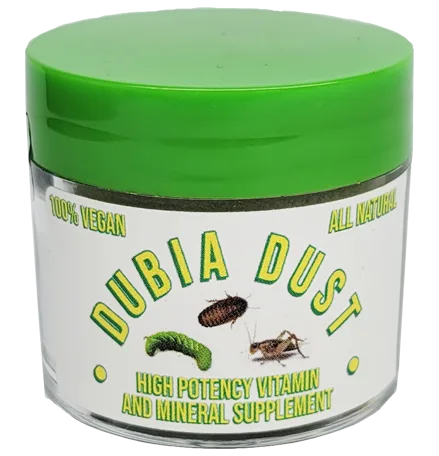

When it comes to nutrition it’s often said that you are what you eat. Just as it’s often true for people, the same goes for your reptile pets. Whether considering geckos, iguanas, chameleons, bearded dragons, or skinks, the nutrition you provide is key. For healthy and happy reptiles, mealworm feeders are a popular source of food. Mealworms are affordable and offer tasty nutrition for your pets. With the advanced supplement formulation of Dubia Dust, you can provide even more nutrients with live mealworms.
What Makes Live Mealworms Such a Popular Choice for Reptile Owners?
Beyond affordability, live mealworms offer significant advantages in reptile nutrition. Feeding your pets giant or small varieties of mealworms covers three key pillars of reptile nutrition.
- Live mealworms are high in moisture for reptile hydration, often up to 60%.
- Relatively high protein content of around 20% is found in mealworms.
- Mealworms are up to 13% fat, making them an abundant energy source.
Small and giant mealworms offer similar nutritional profiles albeit at different overall levels due to their size characteristics.
When you want a tasty and nutritious option for your bearded dragon, gecko, iguana, skink, or chameleon, live mealworm feeders are ideal.
Small and Giant Mealworms are Appealing to Reptiles
Some owners have trouble making food appealing to reptiles. This is especially true when attempting to fee raw vegetation to pets like bearded dragons. Natural greens are good sources of vitamins and minerals, but bearded dragons and other reptiles will often ignore them.
Small and giant mealworms are appealing to reptiles. Mealworm feeders move in a way that attracts lizards. Incorporating giant mealworms with vegetation often leads dragons and other reptiles to consume the worms along with vegetation. This can help them to develop a taste for the vegetation.
 What’s the Difference Between Small Mealworms and the Giant Varieties?
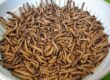
Small mealworms are the larval form of Tenebrio Molitor, commonly known as the mealworm beetle. They typically measure about 2.5cm in length. Small mealworms are sometimes referred to as common mealworms. They can be stored in the refrigerator and many owners do this to keep them fresh and contained.
Giant mealworms are the same species that have been treated with a juvenile hormone to increase their size. They offer a similar nutrition profile in a higher quantity, making them ideal as treats for larger adult bearded dragons.
Giant mealworms are sometimes confused with Superworms. Superworms (also known as king worms) are the larval form of Zophobas Morio, a tropical darkling beetle. Superworms shouldn’t be kept in the refrigerator and will perish at temperatures below 12°C or 54°F. Superworms can also be used as valuable nutrition but due to high-fat content, they should be given as treats to adult lizards only.
Gut Loading Mealworms for Your Reptiles
The concept of gut loading mealworms is a simple one. By providing insects with extra nutrients, these can be transferred to your reptiles for a highly efficient and effective diet. Gut loading mealworms is often done with simple vegetables like fresh greens, but there is a more effective method to get trace minerals and vitamins into your bearded dragons, geckos, and other reptile friends at home.
Mealworm Feeders Made Better with Dubia Dust
The nutrition you supply to mealworm feeders is critical to the health of your reptile. Gut loading with typical greens and other vegetables doesn’t provide the highly concentrated nutrients that Dubia Dust can.
Dubia Dust is a unique insect supplement. It’s the only product on the market made from pure microgreens. Microgreens help to improve the nutritional value of mealworm feeders so that you can have confidence knowing that your bearded dragon, gecko, chameleon, skink, or collection of reptiles have the nutrition they need to stay healthy and happy.
Microgreens are the sprout form of vegetables like kale and cabbage. They are more nutritionally dense (up to 40x more) than fully grown vegetables. Dubia Dust is created in small batches with a low-heat dehydration process to improve potency. Dubia Dust has more bioavailable vitamins and minerals after dehydration when compared to microgreens that have been treated with a high heat process.
Gut loading mealworms is a common practice to improve the nutritional value of the worms. You’ll get even better results with Dubia Dust. The product can simply be applied to mealworm feeders by sprinkling it on the insects. The potent microgreen supplement is then consumed naturally by your reptiles during feeding. Ensure you have a nice coating on the mealworms, and your reptiles will enjoy feeder insects with a superior nutritional profile to anything that can be achieved with gut loading. It’s also more convenient and will become an essential and easy step in your reptile feeding routine.
You want the best nutrition for your reptiles. With mealworm feeders coated in Dubia Dust, it has never been easier. Buy some Dubia Dust today!